
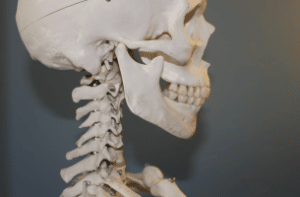
 Changing Jaws
As time goes on, things change. We could give a list of examples, but one that is of particular note is the human jaw. Back in the day (as in way back), our ancestors did a lot more chewing, and their jaws were such that it made chewing easier. According to Melissa Busch, assistant editor at DrBicuspid.com, our diets today include a lot more processed foods–foods that are softer and require less chewing. Because of this, we as a people have experienced changing jaws, according to Peter Ungar, Ph.D., from the same article.
It is interesting to note that longer jaws help with the strain of heavy chewing, and our ancient ancestors would have been doing a lot of that. As time went on, our food options became softer and easier to chew, which resulted in our jaws not getting the workout they need during the development part of life in order to grow big enough to comfortably house all of our teeth. As our jaw shrinks, however, we begin to notice that all of our teeth don’t necessarily fit inside our mouth as they once did. According to the article, 9 in 10 people have either crooked or crowded teeth, and about 75% of people don’t have room in their mouths for their wisdom teeth.
The need for braces and orthodontic treatment wasn’t always with us, it would seem. However, as life continues to move forward, we can at least see and understand why orthodontic treatment is necessary. Because of our changing jaws, our teeth need a little more help finding where they’re supposed to sit. Fortunately, orthodontists like Dr. Elena Black at Appalachian Orthodontics of Lynchburg are here to help.
Changing Jaws: Contact Us Today
If you’re one of the 90% of people who has crooked or crowded teeth, orthodontic treatment may be of value to you. Visit us online to schedule your virtual smile consultation today!